


 Favourites

 Best Value
 Best Designs
 Best Service
 Best Build Time
 Best Quality
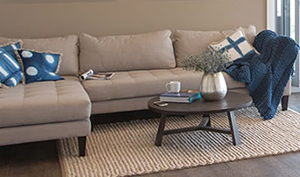
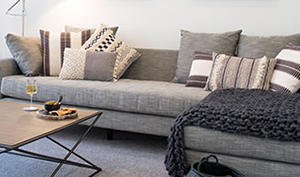
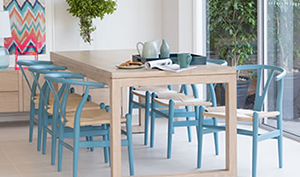
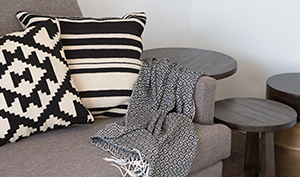
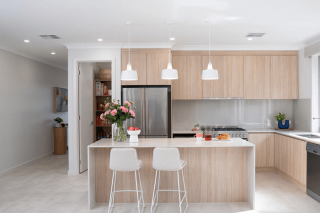
Cork Alfresco at Mt Barker
Hickinbotham’s Cork Alfresco is a classic family home that has been perfectly suited to a contemporary lifestyle and aesthetic, says design director Ruth Vagnarelli.
Home Buyers Choose
HICKINBOTHAM GROUP
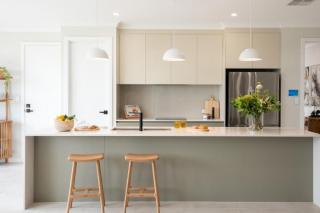
Preston Alfresco at Two Wells
There’s nothing better than a home that is light-filled and exudes a good feel. And if you find a home with that kind of vibe, it’s bound to make your...
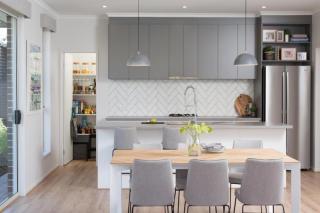
Designer Style & More - Newbury
Stylish, light and a modern design, Hickinbotham’s Newbury is a popular choice for a range of home buyers, including investors.
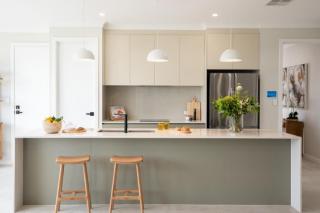
Nordic Refresh - Preston Alfresco
Colour is a bold choice in the kitchen, but make it a subtle variation and it can sell you a home.
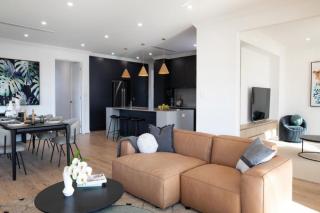
It's Time to Move Up - Alsace Alfresco
Sitting just under the traditional block width, many new and subdivided blocks have a 15m-wide span and that’s all you’ll need for this attractive two-storey home.
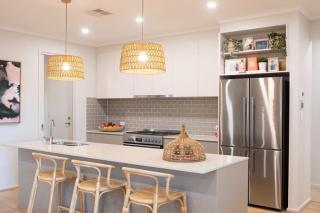
Sandford Alfresco
I love it when you walk into a home and feel at ease. It’s quiet, there’s a tranquil vibe and a warmth oozing from in the interior decor.
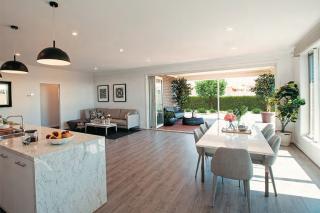
Preston Alfresco Clever Thinking
Why is the Preston Alfresco so special? Take a look at the features that people love the most.

Mortgages & Financial Revolution
Buying a home is one of the most important decisions you’ll make in life. Finding a home loan to suit your lifestyle and budget is as important as finding the...
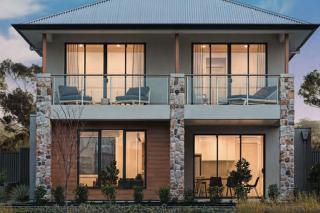
Next Level
There are many great reasons to opt for a two storey rather than single storey home.
Featured BLOG

MORE HOME BUYERS CHOOSE HICKINBOTHAM GROUP
More South Australian home buyers are choosing to build with the Hickinbotham Group than any other builder, a new industry report has revealed.

